
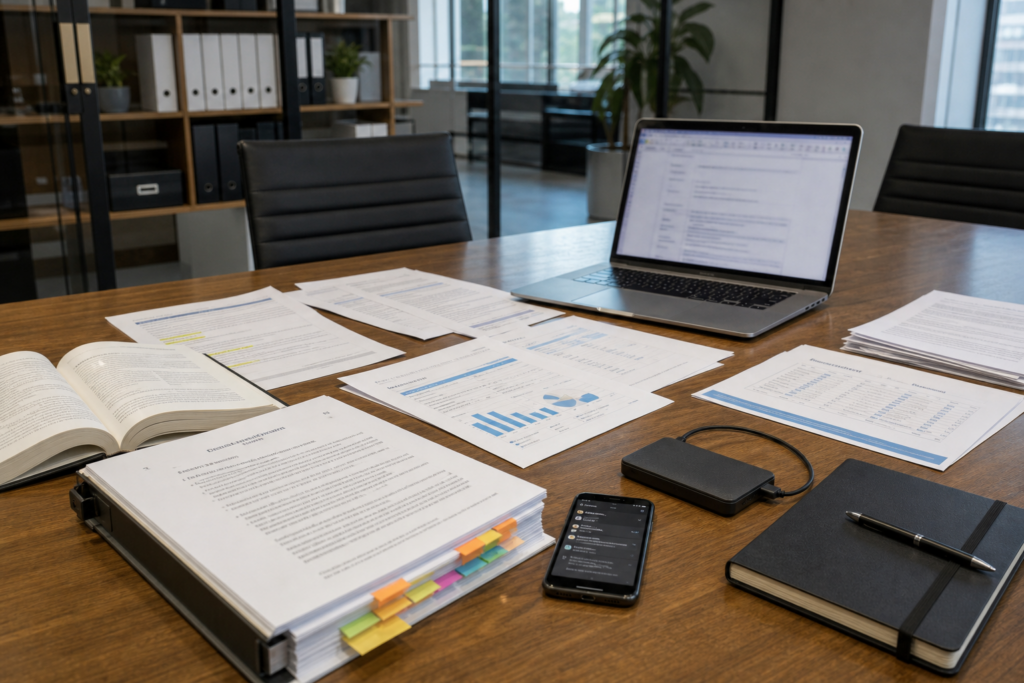
Understanding Wrongful Termination Evidence: What Matters Most
When our clients face an unexpected job loss, many wonder if it was legal or if they are victims of wrongful dismissal. In wrongful discharge cases, gathering the right wrongful termination evidence can make a significant difference. Our team at Maryman & Associates recognizes that clear, reliable documentation is crucial not only for legal proceedings but also for understanding one’s rights. Let’s explore why evidence in wrongful termination cases is important, what counts as strong proof, and how this evidence can support your fight for fairness in the workplace.
Why Collecting Wrongful Termination Evidence Matters
Being fired can feel overwhelming. It’s easy to think that your employer holds all the power, but in many situations, workers have strong legal protections. The challenge is demonstrating those rights were violated. That’s why, if you suspect you’ve been wrongfully discharged, it’s essential to start gathering documentation and evidence right away. Not only does this take some of the uncertainty out of an emotional experience, but it can also greatly increase your chances of success if you pursue a legal claim.
In employment law, wrongful termination evidence serves as the backbone of your case. Without credible proof, it’s often hard to show you were let go for unlawful reasons, such as discrimination or retaliation. Emails, performance reviews, witness statements, and digital communication aren’t just background details-they become the story that demonstrates what really happened. Collecting this evidence promptly also prevents key data from being deleted or altered unintentionally, which can weaken your case later on. Our team’s experience working with human resources investigations shows that well-prepared clients often achieve better resolutions and faster settlements.
Key Types of Wrongful Discharge Evidence
Not all workplace documentation is created equal. To build a strong wrongful termination case, you’ll need to consider various forms of evidence that chip away at your employer’s justification for firing you. The following categories are especially important:
- Written correspondence: This includes emails, instant messages, memos, and official company documents.
- Employment contracts and company policies: These define expectations about your role, performance standards, termination procedures, and employee rights.
- Performance reviews: Regular appraisals can show if your employer’s stated reason for termination matches your actual job history.
- Witness statements: Testimonies from colleagues, managers, or HR personnel often confirm discrimination, retaliation, or unfair treatment.
- Digital evidence: Records on company devices, social media communication, and time-stamped files can reveal inconsistencies or hidden motives.
Our practice focuses on extracting, analyzing, and presenting these critical forms of wrongful termination evidence. Each piece paints a bigger picture, making it much harder for employers to justify an illegal dismissal.
Emails, Texts, and Company Documents as Evidence
Workplace communication has moved far beyond paper. In nearly every wrongful discharge matter we handle, email and digital messaging are at the heart of the dispute. You should collect:
- Email threads about your job performance, requests for leave, workplace complaints, or any conversations related to your termination
- HR documents, such as employee handbooks or policy updates that spell out disciplinary procedures and termination grounds
- Text messages or chat logs on company-approved platforms, which sometimes contain critical remarks or real-time decisions
Using our email forensics and device investigation services, we often uncover digital records that employers presumed were lost or deleted. The digital trail left by day-to-day communication can be an exceptionally persuasive form of wrongful termination evidence, especially when timestamps and metadata expose inconsistencies in an employer’s explanation.
Witness Testimony in Unfair Firing Cases
Direct witnesses to workplace events can provide strong support for your claims. This may include colleagues who heard discriminatory comments, HR professionals who attended relevant meetings, or anyone aware of similar actions taken against others. Gathering contact information and written statements from these individuals early can be invaluable. When your narrative is backed by people who saw or heard the same things, it significantly boosts your credibility and demonstrates a pattern of wrongful conduct.
Our employee termination investigation services are designed to help identify, interview, and collect testimonies from those willing to step forward. Coordinating with experienced investigators ensures statements are both accurate and admissible in future proceedings.
Performance Reviews and Termination Justifications
Many employers cite poor performance as a reason for letting someone go. That’s why historical performance reviews and evaluations can be a powerful type of wrongful termination evidence. Consistent “excellent” or “satisfactory” ratings over time can directly contradict sudden claims of incompetence or misconduct. Collecting your most recent reviews-and comparing them to earlier ones-helps us spot inconsistencies or unexplained changes.
We regularly assist clients in retrieving these records from company systems or recovering deleted files from digital devices. This service is especially important if you believe your employer altered, deleted, or refused to provide key documentation. Combining performance evidence with digital forensics and witness statements makes your wrongful termination case far more compelling.
Presenting Wrongful Termination Evidence Effectively
Having proof is only half the battle. Knowing how to organize, explain, and present your wrongful termination evidence can have a major influence on the outcome of your complaint or lawsuit. Proper evidence presentation involves several steps:
- Chronologically compile events, correspondence, and incidents leading up to your dismissal
- Organize documents into categories, such as “job performance,” “policy violations,” “discrimination,” and “retaliation”
- Highlight contradictions between your employer’s stated reason for termination and what the records show
- Submit evidence to your attorney or legal team in a format that’s easy to understand and verify
Courts and legal authorities often expect digital evidence to be preserved appropriately to guarantee its authenticity and admissibility. You can review guidance on digital evidence handling from outside resources, such as the National Institute of Standards and Technology.
Our forensics team combines legal understanding with advanced digital device forensics to ensure evidence remains intact and tamper-free, satisfying even the strictest requirements for legal proceedings.
Strategic Tips to Strengthen Your Wrongful Termination Case
The quality and organization of your wrongful termination evidence can transform your legal position. Here are some proven strategies that our clients find helpful:
- Start building your file immediately after termination-don’t wait for legal action to begin
- Make backup copies of key files on personal devices (when allowed), and regularly update your documentation
- Keep written records of any events that occurred post-termination, such as employer retaliation or the treatment of coworkers in similar situations
- Consider using our social media forensics if online statements or posts become a factor in your case
- Work with investigators who have employment law experience for expert collection and preservation guidance
Our team knows how employers may attempt to discredit or undercut evidence. We advise clients on safeguarding both physical and digital proof from loss, deletion, or manipulation. In some cases, we also uncover patterns of workplace discrimination or retaliation by analyzing broader data, such as department-wide performance trends or the treatment of other employees.
When It’s Time to Seek Professional Support
Wrongful termination evidence is powerful, but collecting, preserving, and presenting it properly can be daunting. If you feel overwhelmed or uncertain about next steps, professional guidance can make a decisive difference.
We recommend speaking with our team when:
- You suspect your employer is hiding, deleting, or altering key files
- You believe digital evidence on work devices or social media may be critical to your case
- Your termination involved complex factors like whistleblower retaliation, discrimination, or breach of contract
- You have questions about the admissibility of digital, written, or testimonial evidence in court
At Maryman & Associates, we not only offer digital and traditional investigative services-we also provide advice on the full spectrum of employment law evidence. Our in-depth understanding of wrongful discharge claims and our background in both technology and law means we can guide you from the first suspicion of unfair firing through legal action and court testimony.
If you are struggling with an unexpected or unexplained job loss, don’t wait. The sooner you act, the more wrongful termination evidence we can help you secure. Contact us today to schedule a personalized consultation or to learn how our team’s experience with digital device forensics and HR investigations can strengthen your case. Protect your rights, your reputation, and your future-reach out to Maryman & Associates now.
FAQ
What qualifies as wrongful termination evidence?
Wrongful termination evidence includes anything that helps prove an employee was fired unlawfully. This may involve written communications, employment agreements, witness statements, or performance records. At Maryman & Associates, we encourage clients to collect facts that clearly support their claims, as this increases the likelihood of a successful outcome.
Why is it important to gather documentation for an unfair firing case?
Gathering documentation is crucial because it establishes a timeline and supports your claims with concrete details. For example, emails, memos, and official notices can all demonstrate patterns or discrepancies in your employer’s actions. The more thorough your records, the stronger your case becomes.
How do emails and messages support my wrongful discharge claim?
Emails, texts, and work messages can serve as persuasive proof if they show inconsistent justifications for your dismissal or underlying bias. In addition, such documentation can corroborate your side of the story, helping us, at Maryman & Associates, present a compelling case on your behalf.
Can coworkers’ testimonies help my wrongful termination case?
Absolutely! Witness testimonies, especially from colleagues who observed events leading up to your termination, can provide independent support for your claims. Moreover, their accounts may confirm unjust treatment, creating a more credible and robust argument in court.
When should I contact a lawyer for wrongful termination?
If you suspect your dismissal was illegal or you are unsure about the strength of your evidence, it’s best to consult with our team right away. Early legal advice can prevent mistakes, ensure the right documentation is gathered, and help you understand your options moving forward.