
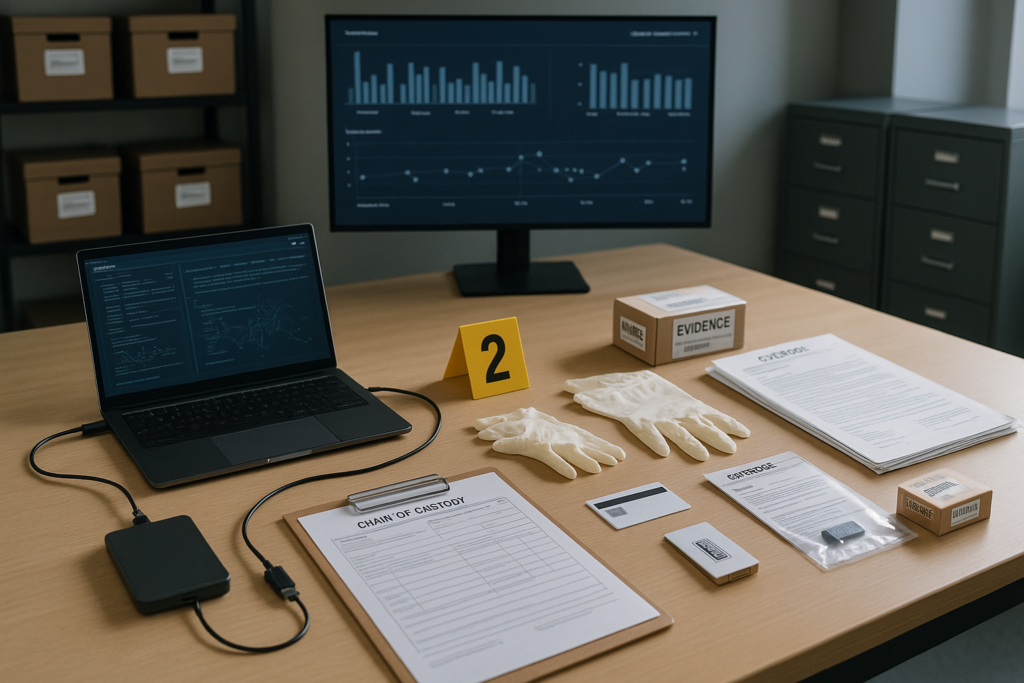
Unlocking the Power of Two-Factor Forensic Clues in Modern Investigations
In the digital age, forensic science continues to evolve at a rapid pace, driving our need for more sophisticated investigative techniques. One innovation at the forefront is the use of two-factor forensic clues, which combine distinct layers of evidence to deliver deeper insights and more credible results. At Maryman & Associates, we recognize that relying on a single source of evidence can be limiting in today’s complex investigative landscape. Our approach harnesses both physical and digital traces, leveraging the advantages of two-factor forensic clues to build indisputable cases and ensure justice is served. Understanding this multi-layered strategy is crucial for organizations, legal professionals, and investigators seeking comprehensive solutions in the world of forensic analysis.
Why Two-Step Forensic Clues Matter in Investigations
The significance of two-factor forensic clues lies in their ability to enhance the reliability and probative value of findings. Evidence that links to a case through more than one forensic avenue reinforces the chain of custody, mitigates the risk of error, and withstands scrutiny in judicial proceedings. For instance, pairing digital evidence like log data with tangible items such as documents or physical objects creates a more robust narrative. This synergy is especially important when unraveling cases of intellectual property theft, data breaches, or insider threats, where clues often cross from the virtual world into reality.
Moreover, two-step forensic evidence helps bridge the gap between traditional forensics-such as fingerprints or DNA-and digital forensics, which include computer, mobile device, and cloud-based data. With cyber incidents on the rise, combining these sources is no longer optional; it is essential. Organizations turn to us for services like cloud forensics and digital device forensics to capture both dimensions of a case. By integrating two-factor forensic clues in our investigations, we provide clients with actionable intelligence and an evidentiary trail that courts and regulators trust.
The Evolution of Multi-Factor Forensic Analysis
As technology advances, so do methods for gathering and correlating multiple sources of evidence. Initially, forensic science operated in silos: digital forensics and physical forensics often worked independently. Now, the proliferation of interconnected devices and platforms requires us to think holistically. Two-factor forensic clues exemplify this shift, urging us to seek correlations between login records and physical access logs or between email timestamps and surveillance footage. These connections not only accelerate case resolution but also expose attempts at deception or evidence tampering.
Our team continuously updates its methodologies to stay ahead of digital adversaries, drawing on best practices and emerging guidelines such as those outlined in the NIST IR 8354 publication. Leveraging advanced tools, we extract and synchronize clues from both environments-be it hard drive remnants, encrypted messaging apps, or physical interaction logs. The cross-validation of findings across these domains is what sets two-factor forensic clues apart from single-source analysis, reducing false positives and increasing confidence in investigative outcomes.
Collecting and Identifying Dual-Layer Forensic Evidence
Successfully leveraging two-factor forensic clues depends on our ability to collect and interpret dual-layer evidence. Investigation teams must employ rigorous protocols, ensuring the integrity and preservation of traces from the outset. Collaboration is key; digital forensics experts work hand in hand with specialists in physical evidence recovery, ensuring no detail goes overlooked. Digital signatures, geolocation data, or device metadata often pair with receipts, handwritten notes, or access card records to form comprehensive evidentiary packages.
When collecting these clues, our standard procedure involves:
- Preserving volatile digital evidence first to prevent data loss or tampering.
- Securing physical sites for complementary evidence-such as fingerprints, residues, or note fragments.
- Correlating time stamps, locations, and user identities across disparate data sets.
- Documenting the workflow to maintain an unbroken chain of custody for both evidence types.
Once collected, identification of relevant two-factor forensic clues relies on pattern recognition and analytic tools underpinned by years of expertise. We look for converging data points that tell a consistent story, exposing consistencies or conflicts in witness reports and suspect behavior. This approach is integral to our popular digital forensics investigator services, enabling us to deliver results that stand up in arbitration, litigation, and regulatory review.
Integrating Two-Factor Forensic Clues in Your Organization
Integrating dual-layer forensic evidence into day-to-day processes requires strategic planning and a culture of awareness. We advise clients to implement comprehensive evidence-collection policies covering both digital and physical domains. Awareness training for staff, investment in secure evidence storage solutions, and regular audits of access protocols all help foster an environment conducive to successful two-factor forensic investigations. By working proactively, organizations are better prepared for incident response, regulatory compliance, or legal proceedings arising from cyber threats or traditional criminal activity.
We recommend collaborating with multi-disciplinary teams and leveraging outside experts to conduct regular penetration testing. Such exercises-available through our penetration testing services-help uncover weak points where two layers of evidence may intersect and highlight opportunities for better controls. By integrating these practices, organizations boost their resilience and streamline the investigative process when incidents occur.
Understanding the Pitfalls: Challenges of Dual-Factor Clues
While two-factor forensic clues provide immense value, there are common challenges that investigators and organizations must navigate. The collection process itself is susceptible to errors, such as mishandling digital evidence or contaminating physical samples. Furthermore, synchronizing evidence from two different sources requires meticulous timestamp alignment, sometimes complicated by discrepancies in time zones or device clocks. Even small inconsistencies can introduce doubt and require additional verification efforts.
Another pitfall is the potential for confirmation bias. With so many variables at play, it can be tempting to interpret evidence in ways that favor a particular narrative. At Maryman & Associates, we counter this through structured peer reviews and blind analysis methods, ensuring objectivity and minimizing the risk of oversight. Chain of custody lapses, especially during the transfer of evidence between digital and physical teams, also demand robust documentation and transparent communication.
Resource limitations can further complicate matters. Not every organization has ready access to in-house expertise for both digital and traditional forensics, making engagement with experienced partners essential. Our holistic suite of services, including website breach and hack investigation services, ensures that clients receive end-to-end support tailored to their unique environment. Recognizing these challenges early allows us to implement targeted safeguards and optimize investigation success.
Real-World Impact: Case Studies Using Two-Factor Forensic Clues
The effectiveness of two-factor forensic clues is best illustrated through real-world scenarios. For example, in a financial fraud case we investigated, a suspect manipulated internal spreadsheets to cover their trail. Through simultaneous recovery of deleted digital files and physical paper receipts, our team reconstructed the timeline and proved unauthorized activities beyond doubt. This dual-layered approach was instrumental in securing a conviction and enabling asset recovery on behalf of the client.
In another incident, a multinational corporation faced a disruptive data breach. Our experts correlated logs from cloud servers with physical entry records from secure facilities, revealing unauthorized activity during a narrow time window. The combination of physical badge swipe data with digital access logs exposed the perpetrator’s path and established clear intent. Here, two-factor forensic evidence not only supported incident response but also streamlined internal remediation and regulatory reporting.
We have also utilized multi-factor or dual-evidence techniques in intellectual property theft cases. By pairing surveillance footage with metadata from USB storage devices, we traced the movement of sensitive prototypes, ultimately recovering stolen assets and preventing future occurrences. Each of these case studies highlights the critical role that two-factor forensic clues play in reconstructing events, validating assertions, and delivering justice with confidence.
A Look Ahead: Future Trends in Two-Factor Forensic Techniques
As the landscape of threats and technologies continues to expand, two-factor forensic clues will remain at the heart of credible investigations. Artificial intelligence and machine learning are beginning to automate the correlation of vast, disparate data sources, enabling faster and more accurate detection of linkages between digital and physical evidence. Blockchain-based timestamping systems offer new avenues for proving the integrity and authenticity of multi-layered evidence packages.
We anticipate a greater emphasis on hybrid skill sets within forensic teams, where experts in both coding and traditional investigative methods work side by side. This convergence is already influencing protocols in advanced digital forensics and integrated e-discovery projects. Additionally, we expect stricter regulatory expectations for dual-factor forensic standards, making it vital for organizations to stay informed and compliant.
Looking forward, our commitment to continuing education, investments in innovative tools, and adherence to industry guidelines keep us on the leading edge. For clients navigating complex investigations-whether in corporate environments, legal disputes, or cybercrime responses-our integrated approach centered on two-factor forensic clues delivers clarity, accuracy, and assurance.
Partner with Maryman & Associates to Strengthen Your Forensic Capabilities
The use of two-factor forensic clues has fundamentally transformed investigative best practices, providing greater certainty and deeper insight in a world where threats are increasingly sophisticated. By combining digital and physical evidence, our team delivers solutions that withstand judicial scrutiny and protect organizational interests.
If your business or legal team is facing a complex investigation, let us help you uncover the truth with the power of multi-layered forensic analysis. From cloud forensics and digital device analysis to breach investigations and penetration testing, our comprehensive services are tailored to your needs.
Contact us today to schedule a consultation or discover how our forensic expertise can support your organization’s next challenge. Take the next step toward secure, reliable, and defensible investigations-partner with Maryman & Associates for trusted forensic solutions.
FAQ
What are two-factor forensic clues and why are they important?
Two-factor forensic clues combine physical and digital evidence, giving investigators a more complete picture. By integrating both types, we at Maryman & Associates uncover connections that might be missed when analyzing only one layer. This approach strengthens cases and boosts the reliability of our findings.
How has multi-factor forensic analysis evolved in recent years?
Our methods have become more sophisticated, shifting from single-source analysis to multi-factor evaluations. For example, we now regularly pair data from mobile devices with traditional physical evidence. As a result, modern investigations are more accurate and efficient than ever, allowing us to deliver robust conclusions.
How do we collect and analyze both physical and digital clues together?
The collection process begins with carefully documenting and preserving physical evidence. Simultaneously, we secure and extract digital data using advanced protocols. By aligning timelines and cross-referencing patterns, our team ensures the integrity and context of all collected clues, leading to stronger case outcomes.
What are some common pitfalls when working with dual-factor forensic evidence?
Some challenges include misinterpreting digital data without physical context, or mishandling evidence storage. At Maryman & Associates, we emphasize strict procedures and regular training. In addition, collaborating across our disciplines reduces errors and maximizes the value of every clue.
What future trends can we expect in two-factor forensic techniques?
Looking ahead, advances in artificial intelligence and automation are making it easier to analyze complex datasets. For instance, we anticipate even tighter integration between data types and real-time analytics to further streamline investigations. These trends will help us deliver more actionable insights to our clients.